Postcode Panels: The Artists Making Manga Feel Properly British

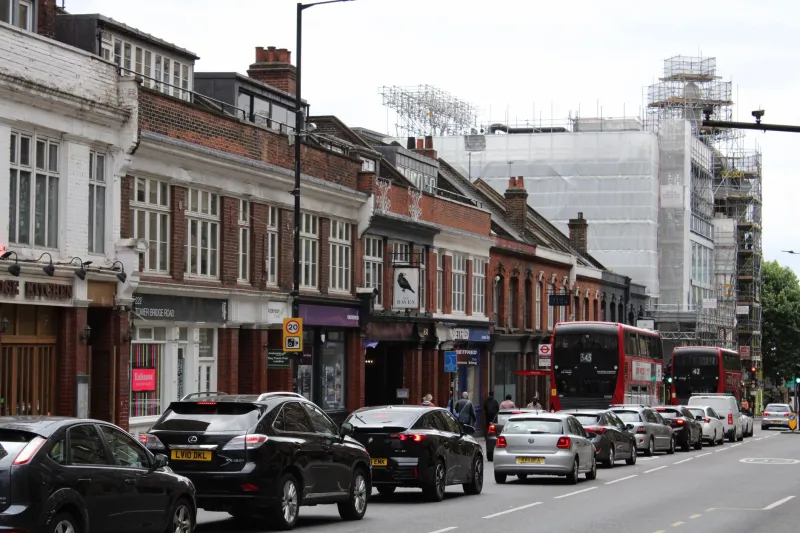
Photo: Miguel Discart from Bruxelles, Belgique, CC BY-SA 2.0, via Wikimedia Commons
UK manga has often been described as a fandom before it was described as a scene. In 2026, that feels backwards. Walk into a zine fair in Leeds, a print studio in Glasgow or a comic shop back room in Bristol and you will find artists using Japanese visual grammar to talk about bus timetables, shared houses, seaside towns and the particular comedy of a British queue. The result is not a copy of Tokyo. It is something more interesting: a set of local voices using a global language.
At Vyvymangaa, we have been watching this shift for a while. The work is not all one thing. Some of it is soft slice-of-life, some is scrappy shonen-inspired action, some is moody supernatural storytelling with a council flat in the background. But the common thread is specificity. The artists who stand out are not asking how to make manga more British in the abstract. They are drawing the places they actually know.
What UK-style manga means in 2026
Ask five creators and you will get five answers. For some, it is about speech patterns. For others, it is about architecture, weather, class and the way British people avoid saying what they mean. For a few, it is simply about making a comic that does not feel like it was imported.
The visual grammar is familiar: expressive faces, speed lines, screentone, careful page turns, quiet panels that let a mood land. But the content is different. A chase scene might run past a Greggs, a bus stop and a charity shop window. A romantic confession might happen in a car park in the rain. A fight might be interrupted by someone asking if anyone wants a brew.
That might sound like a novelty, but the best work is not winking at the reader. It is using local detail the way any good manga uses detail: to make the story feel lived in. A British manga does not need a Union Jack on the cover. It needs a creator who knows what a Saturday afternoon in a small town actually feels like.
Three portfolios to watch
We spoke to three UK-based artists whose work sits at different points on the spectrum. None of them are household names yet. All of them are worth bookmarking.
Mara Quinn, Manchester
Quinn makes short, quiet comics about public transport, shared houses and the low-level drama of being in your twenties. Her current project, Metrolink Blue, follows two friends who keep missing the same tram. The panels are clean and open, with screentone used like drizzle. The dialogue is full of half-finished sentences and local references that never feel like a tourist board advert.
Quinn told us she started drawing manga because it gave her a way to make ordinary life feel dramatic without adding monsters. The drama is in the pause. The drama is in whether someone says sorry when they mean something else.
Eli Okoro, Bristol
Okoro works in a rougher, inkier style. His portfolio mixes urban fantasy with pirate radio, tower blocks and late-night corner shops. The linework is loose, the backgrounds are dense, and the lettering often looks hand-stamped. He is interested in what happens when supernatural rules meet British bureaucracy: ghost trains that still run on a Sunday timetable, spirits that queue for a bus that never comes.
His advice to newer artists is blunt. Do not draw a British setting from memory if you can draw it from life. Take photos. Sit on a bench. Listen to how people actually talk. The specificity will do more work than any stylistic trick.
Tess Harlow, Glasgow
Harlow is the most action-forward of the three. Her five-a-side sports manga uses classic shonen pacing, but the emotional stakes are local: a community pitch under threat, a team that cannot agree on anything, a striker who is brilliant for ten minutes and then completely absent. The Scottish slang is not explained. It does not need to be.
What makes Harlow's pages work is the way she draws exhaustion. The faces are expressive, but the bodies are ordinary. People get winded. People make mistakes. The big dramatic panel is often just someone finally passing the ball.
The craft is not the gimmick
The most interesting UK manga artists are not treating Japanese craft as a costume. They are using tools and rhythms that suit the story. G-pens, maru pens, screentone, correction fluid, digital brushes imitating ink wash: all of it is fair game. The question is not whether a page looks authentically Japanese. The question is whether it looks like the artist meant it.
That means recognising that manga is not a single style. It is a set of storytelling habits. Once you understand that, you can bend it. You can make a page that feels like a British indie zine and still uses the pacing of a weekly serial. You can draw a seaside town with the same care that a sports manga gives to a final whistle.
The risk is pastiche. A comic that simply adds tea and rain to generic manga tropes will run out of steam. The work that lasts is the work that has something to say about the place it comes from.
Why readers are finding it now
Part of this is timing. UK manga readers have grown up with the medium. They do not need to be convinced that comics can be serious, funny or beautiful. They want stories that reflect their own lives, or at least their own sense of humour. Independent shops, zine fairs and creator-led events have made it easier to find those stories without waiting for a big publisher.
Part of it is also practical. Social media lets artists build an audience one page at a time. Print-on-demand and small print runs make it possible to sell a comic without a warehouse. A creator in Dundee can find readers in Plymouth. A Bristol artist can trade zines with someone in Cardiff. The scene is small, but it is connected.
There is still a way to go. Funding is tight. Printing costs are real. Distribution is patchy. And there is a fine line between celebrating British identity and turning it into a checklist of slang and landmarks. The artists who get it right are the ones who stay curious about their own surroundings.
The next page
UK-style manga in 2026 is not a finished product. It is a conversation. It is happening in sketchbooks, at draw-ins, in small print runs and in the comments under a single finished page. It is British and Japanese and neither and both. Mostly, it is a group of artists deciding that their own streets are worth drawing.
That is the story we want to keep following at Vyvymangaa. Not whether UK manga can compete with the big Japanese titles, but whether it can be honest about the place it comes from. On the evidence of the work coming through in 2026, the answer is a very British yes.