Rain on the Rushes: Why British Weather Belongs in UK Manga Panels
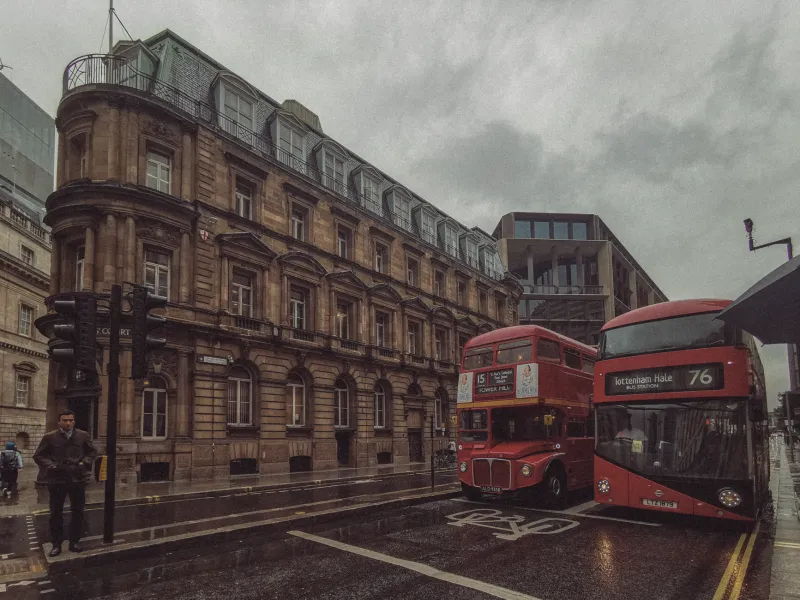
British weather has a reputation for ruining plans. For UK manga artists, it also has a habit of ending up on the page. Not always as a big, dramatic storm, either. More often it is a bus-stop drizzle, a grey afternoon that makes a character's red coat do all the talking, or a pavement so wet it turns every shop sign into a second, wobblier panel beneath the first.
As of November 2026, the conversation around UK-made manga is broader than ever. Artists are self-publishing, running workshop tables, printing short-run zines and trading pages through group chats. And through all of it, the weather keeps making itself known — in the art, in the studio and in the deadline diary.
The sky as a second inker
A lot of manga weather is built for spectacle: typhoons, cherry blossoms, heat haze, snow that falls in perfect flakes. British weather is smaller and stranger than that. It is mizzle in Manchester. It is a Glasgow sky that cannot decide between silver and slate. It is a sudden burst of sun in Leeds that makes everyone squint for twelve minutes and then vanishes.
That makes it useful. Rain gives a panel rhythm. Thin diagonal lines across a face can suggest movement, misery or a character refusing to go inside. Wet streets give you reflections, which are brilliant for showing what a character is looking at without cutting away to a separate close-up. Grey skies make small colours pop, so a yellow raincoat or a red umbrella can carry more emotional weight than a whole speech bubble.
UK illustrators tend to use weather as shorthand rather than decoration. A low, flat sky can make a quiet argument feel heavier. A sudden patch of sun through a window can signal relief, or false hope, depending on what happens next. Even condensation on a cafe window is doing narrative work: it puts a barrier between the reader and the scene.
The trick is not to treat British weather as a poor relation of more dramatic climates. It is closer to a free texture pack. Puddles, damp brickwork, chipped paint, bus shelters with rain running down the glass — all of it gives UK manga panels a specific, recognisable grit without turning the page into a tourist postcard.
When the studio becomes a drying rack
Then there is the less romantic side. Damp paper buckles. Ink behaves differently when the air is heavy. Prints can warp, toner can sit oddly, and a sketchbook left near a window can come back looking like it has been through a wash cycle. Artists working from kitchen tables, box rooms and shared studios know the drill: the weather is not just outside the window, it is in the materials.
The practical advice from UK makers tends to be unglamorous and effective. Store paper flat and sealed, with silica gel packs in the box. Keep emergency sheets in a plastic wallet. Let prints dry properly before stacking them, especially if you are packing for a market the next morning. If a room is damp, a small dehumidifier is often a better studio investment than another pen. And when paper does buckle, dry it flat under gentle weight rather than blasting it with heat.
Drying racks are a familiar sight in small print setups. So are clothes airers pressed into service, radiators used with caution and the classic British compromise of opening a window for ten minutes and then panicking about the rain. The rule is simple: air needs to move, but paper does not need to be cooked. Slow and flat beats fast and warped.
Planning reference shoots around the forecast
Outdoor reference shoots are where the weather really runs the schedule. Waiting for a perfect day is a trap. Many illustrators now shoot in whatever the sky is doing and collect a library of bad-weather references instead: wet asphalt, fogged bus windows, umbrellas turning inside out, light bouncing off a soaked high street.
A few habits help. Check the rain radar rather than the general forecast. Shoot overcast light when you want even tones and no hard shadows. Go out just after rain for reflections and empty streets. Keep a phone in a waterproof pouch and a small sketchbook in a zip bag. Take more wide shots than you think you need, because weather changes the whole street, not just the sky.
It also helps to treat reference as a storytelling exercise. Photograph the same corner in drizzle, in a downpour and in weak afternoon sun. Later, you have three different moods from one location. That is cheaper than designing three backgrounds from scratch.
Deadlines, print runs and the washout
Weather affects deadlines in quiet ways. A rainy day is often a good inking day, because there is less temptation to go out and more reason to stay at the desk. A bright day might be better for outdoor reference, market prep or photographing finished work. Some artists plan around that rhythm rather than fighting it: indoor tasks for wet days, location work for dry ones, buffer time for the week that refuses to cooperate.
For short-run printing, build in a weather margin. Order proofs early, ask your printer how their stock handles humidity and avoid leaving final prints in a cold car overnight. If you are selling at an outdoor event, pack rigid mailers and a waterproof layer for the table. It sounds fussy until the first gust of rain arrives sideways.
Turning a washout into a moody panel
A grey day can feel like a waste of a drawing day. It is not. It is an excuse to simplify. Let the sky do the emotional work. Put the character small in the frame. Use one strong colour against the grey. Draw the rain as broken dashes rather than a solid screen. Show the weather through what it does to things: the way a coat hangs, the shine on a bin lid, the puddle that reflects a sign instead of the sky.
A useful exercise is to draw the same street three times: drizzle, downpour and the strange bright moment after rain. Same buildings, same character, different weather. The story changes without anyone saying a word. That is the point. British weather is not just a nuisance to work around. In UK manga, it is one of the most reliable collaborators going.