The 4am Panel: Inside the UK’s All-Night Manga Draw-Ins
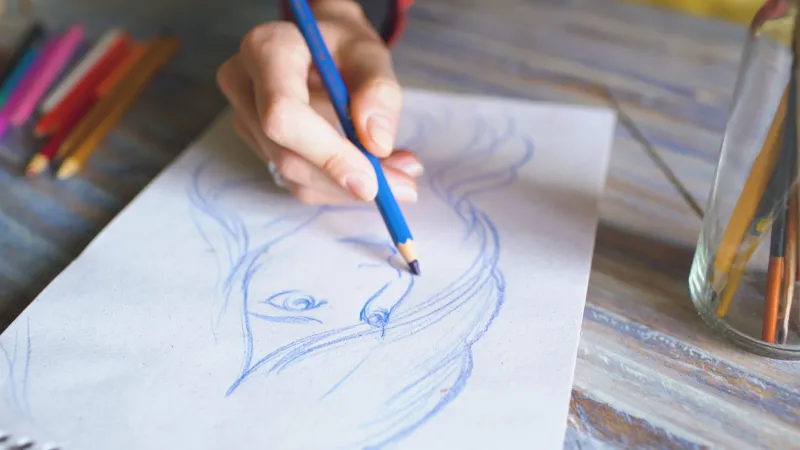
Twenty-four hours is a long time to draw. It is also, as anyone who has tried it will tell you, not quite long enough. That tension is the engine behind the UK’s small but stubborn circuit of timed manga-making events: all-nighters in community centres, convention sketchathons, charity page dashes and library lock-ins where the brief is simple — make comics, keep moving, don’t fall asleep in the ink.
These aren’t competitions in the usual sense. There is no single winner, no golden trophy. The clock is the antagonist. The page is the scoreboard. And in 2026, with more UK artists working across zines, small-press anthologies and online commissions, the format is finding a fresh audience of people who want to test their process in public.
The shape of an all-nighter
Most UK events follow a loose three-act structure. Act one is planning: artists arrive with sketchbooks, brush pens, tablets, cables, snacks, and a plan they will almost certainly abandon by midnight. Act two is the long middle: pages get pencilled, inked, lettered, scanned, photographed, posted. Act three is the strange, giggly dawn hour when someone suggests a group page and everyone suddenly becomes a letterer.
The rules vary. Some events ask for a complete 8-page story. Others set hourly prompts — a face, a chase, a quiet panel, a cliffhanger — and let artists stitch the results together. Charity dash formats often trade pages for sponsorship: a flat fee per finished page, or a target number of panels before morning. Convention sketchathons are shorter and louder, with strangers leaning over shoulders and asking for a quick character in a tenner’s worth of ink.
What unites them is constraint. A ticking clock removes the luxury of endless revision. You make decisions faster. You draw the hand you can draw at 3am, not the hand you wish you had at noon.
Pack like you mean it
The kit list for a 24-hour manga challenge is less about fancy materials and more about endurance. Bring more ink than you think you need, but not so much that you spend the first hour arranging bottles. Two favourite pens and one backup is usually enough. Paper is the real currency: loose sheets, a cheap A5 sketchbook, or a stack of Bristol board cut to size.
Snacks matter. Sugary drinks feel brilliant for an hour and then awful. Water, fruit, nuts, and something salty will carry you further. A proper meal before the start beats a 2am bag of crisps. If the venue has a kettle, make friends with it.
Also pack a charger, a power bank, a small lamp if the room lighting is grim, and a light layer. British halls have a talent for being either stuffy or freezing, sometimes in the same night. Earplugs are not antisocial; they are a boundary. So is a sign that says ‘Inking — back in ten’.
The mid-morning wobble
The hardest part is rarely midnight. It is the mid-morning collapse, that hollow hour when the room goes quiet, the floor looks inviting, and every line feels like a mistake. Artists who have done this before plan for it. They schedule a walk. They switch tools. They work on a low-stakes page — backgrounds, lettering, a crowd scene — instead of the emotional climax they were saving for the end.
Some organisers build in a ‘silly hour’ around 4am: a group prompt where everyone draws the same ridiculous character, or a page trade where two artists ink each other’s layouts. It sounds like a distraction. It is actually maintenance. Laughter resets the brain faster than another coffee.
The other useful rule is to finish something. A complete 4-page story at dawn is worth more than 20 perfect pages you never letter. The clock rewards momentum, not polish.
War stories from the table
Ask anyone who has done a few of these and the stories tumble out. There is the artist who planned 24 pages, completed 11, and accidentally made the best silent comic of their year. The one who spilled tea across a screentone sheet and turned the stain into a dramatic sky. The charity team that promised 100 pages and hit 104 because a stranger brought a flask and a spare brush pen.
There is also the quieter story: the first-timer who arrives convinced they cannot draw fast, then leaves with six pages and a new group chat. That is the real draw of these events. They compress the social and the creative into one room. You learn how other people work. You see where your own process buckles. You find out that the person next to you also hates drawing hands at 5am.
Running one in 2026
If you are organising a 24-hour manga challenge in 2026, keep it simple and keep it kind. Pick a venue with a late licence, accessible toilets, a kettle, and a clear exit. Publish the rules in advance: page count, prompts, whether digital work counts, how work will be shared. Charge enough to cover the room, but not so much that new artists cannot join.
Build in breaks, not just a timetable. Have a first-aid kit. Have a quiet corner. Have a deadline that is realistic for the room, not heroic for the poster. If you are running a charity dash, make the sponsorship mechanism transparent and payouts easy to verify.
For artists, the advice is similar: set a page target you can actually hit, decide your tools before you arrive, and do not save your hardest page for the hour when your brain is mush. The clock is there to push you, not punish you. A 24-hour manga challenge will not make you a different artist overnight. It will show you the artist you already are, with the volume turned up and the safety net removed.
That can be honest, messy, and surprisingly energetic. Which is exactly why people keep signing up.